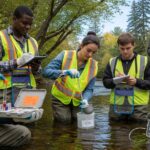




Environmental science is an interdisciplinary field combining ecology, biology, chemistry, geology, and atmospheric science to study how natural and human processes interact with Earth's ecosystems. With median salaries of $78,980 and 6% job growth projected through 2034, environmental scientists work in diverse roles—from federal agencies to private research—helping solve critical challenges like climate change, pollution, and resource conservation.
Welcome to EnvironmentalScience.org, your go-to resource for a fulfilling career in environmental science. We understand that your green passion for the environment is not just a passing interest. It's a significant part of who you are.
What is Environmental Science?
Environmental science integrates ecology, biology, zoology, oceanography, atmospheric science, soil science, geology, chemistry, and more to study how natural and human-made processes interact and ultimately affect Earth's biomes.


Environmental scientists aren't just professionals; they're individuals like you who care about the Earth and its resources. They play diverse roles, including Environmental Lawyers, Coral Reef Sanctuary Managers, Antarctic Researchers, Laboratory Technicians, Wastewater Technicians, and Solar Panel Engineers.
They obtain their positions through various educational paths, with degrees in environmental science, studies, policy, and management—emphasizing that there's more than one path to a career in environmental science. Programs are offered at many colleges and universities in the United States and Canada as well as throughout the world. Many students who begin in a different major go on to pursue an environmental degree in graduate school.
Environmental Science Degree Programs
Choosing the right school is a critical decision, as not all Environmental Science programs are created equal. Some may be a better fit for you than others. Our comprehensive guide serves as your compass, addressing key questions and financial aid options.
Understanding Degree Levels
Environmental science programs span from bachelor's degrees through doctoral programs, each serving different career goals and timelines.
| Degree Level | Typical Duration | Career Outcomes | Best For |
|---|---|---|---|
| Bachelor's | 4 years | Entry-level scientist, technician, field researcher | Students beginning environmental science careers |
| Master's | 2 years | Specialized roles, project management, research leadership | Career advancement, specialization, leadership positions |
| PhD | 4-6 years | University professor, senior researcher, policy advisor | Academic careers, high-level research, thought leadership |
Key Factors in Choosing a Program
For comprehensive information on environmental science degree programs, including bachelor's, master's, and PhD options, explore our detailed program guides. Many students also pursue online environmental science degrees to balance education with work or family commitments.
Consider what matters to you:
- In-person, online classes, or both
- Future career prospects
- Available programs and specializations
- Geographic proximity—a school near you
- Program offerings—certificates, majors, 5-year master's degree programs
- Affordability and financial aid options
- Opportunity to collaborate with respected professors
Finding the Right Program
When evaluating programs, consider these essential elements:
- Choosing the right college program: Discover the crucial factors in selecting the ideal college degree program that aligns with your environmental aspirations.
- Education requirements: Understand the academic path required to enter the field.
- Featured programs from renowned institutions: Find programs from prestigious institutions like Johns Hopkins University, Calvin University, Southern New Hampshire University, Arizona State University - Online, and the University of Phoenix. These programs span various areas such as Environmental Science, Energy Policy, Climate, GIS, and more.
- Scholarships and grants: Learn about financial aid options to support your educational journey.
- Internship opportunities: Find valuable hands-on experiences to enhance your skills and knowledge.
Environmental Science Career Paths
Environmental scientists work with Earth's resources and have diverse responsibilities. They are often involved in activities ranging from increasing palm wood production in Samoa's forests to sampling frozen lakes in Siberia to presenting legal arguments before the Supreme Court. Clearly, the scope of their work is extensive.
Career Categories and Specializations
The range of careers for Environmental Science majors is broad and depends on factors such as education, individual preferences, and location. To help organize the multitude of career options, we've grouped them into five distinct career sets or categories:
- Environmental Science Careers
- Agriculture & Forestry Careers
- Environmental Policy & Planning Careers
- Sustainability & Green Careers
- Public Health Careers
Whether you're exploring a career as an environmental scientist, environmental engineer, or conservation scientist, understanding the specific requirements and day-to-day responsibilities helps you make informed decisions.
For those aspiring to pursue a career in environmental science, the most popular degrees for environmental scientists include:
- Environmental Science Degree / Online Environmental Science Degree
- Environmental Law Degree
- GIS Degree
- Forestry Degree
- Meteorology Online Degree and Certificate
- Sustainability Degree
- Public Health Degree (MPH)
Allow your interests to shape your career. Your unique path matters, and we're here to help you find it.
Where Environmental Scientists Work
From schools and research laboratories to government agencies, environmental remediation companies, the private sector, and more, the job opportunities are vast. Across many different settings, Environmental Scientists are making a difference.
In local communities, you'll find Environmental Scientists contributing to sanitation stations, building and roads departments, and public health departments. Even small communities typically employ Environmental Scientists.
In larger cities, entire teams are dedicated to environmental matters and sustainability, including legal, water, and transportation teams; infrastructure specialists; local environmental experts; and parks and recreation professionals.
A major employer at the federal level is the U.S. government, with agencies like the United States Environmental Protection Agency, National Park Service, National Oceanographic and Atmospheric Administration, United States Geological Survey, and Department of Energy.
The private sector also hires Environmental Science professionals for various roles, such as college professors, researchers, lobbyists, remediation specialists, and journalists. Some potential job titles include Agricultural Engineer, College Professor, Park Ranger, Oceanographer, and Environmental Toxicologist.
Job Outlook and Growth Projections
In 2022, the U.S. Bureau of Labor Statistics reported approximately 80,500 jobs held by Environmental Scientists. Over the decade leading up to 2034, the field is anticipated to experience a 6% increase in job openings. These Environmental Scientists are employed across diverse settings—from elementary schools and universities to independent research laboratories, local, state, and federal governments, environmental remediation companies, oil and fossil fuel companies, pharmaceutical research companies, and as independent contractors.
Environmental Scientists also have the opportunity to explore alternative career paths, such as becoming a journalist, joining the Peace Corps, serving in the military, or working as consultants for their own small businesses. It's important to evaluate the many potential careers in Environmental Science.
Environmental Scientist Salaries
According to the US Bureau of Labor Statistics, the median annual salary for environmental scientists and specialists was $78,980 in 2024, with the top 10 percent earning more than $133,930. Median salaries for the top-paying industries that year were:
- Federal government: $107,990
- Management, scientific, and technical consulting services: $83,000
- Engineering services: $81,920
- Local government: $76,040
- State government: $69,310
Essential Skills for Environmental Scientists
Environmental Scientists commonly possess skills such as collecting samples, interpreting results, and acting ethically. These skills are crucial for conducting research, presenting findings, and making informed decisions in the field. Plus, these skills go beyond the theoretical—they are the building blocks of real-world impact.
Technical and Field Skills
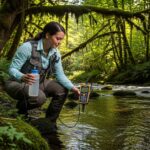
Environmental Scientists play a crucial role in collecting samples, whether it's gathering their own or overseeing the process. Standard Operating Procedures (SOPs) guide sample collection across various areas, including food, the environment, and drinking water.
Whether you're an environmental forensic scientist or an industry lawyer, understanding how you or your company reached its research decision is vital. This underscores the laboratory component of Environmental Science coursework.
Key technical competencies include:
- Sample Collection: Following Standard Operating Procedures for water, soil, air, and biological specimens
- Laboratory Analysis: Operating equipment, conducting tests, and interpreting results
- Data Management: Recording observations, maintaining the chain of custody, ensuring accuracy
- Field Equipment: Using GPS, monitoring devices, and measurement tools
Analytical and Communication Skills
Many high-level Environmental Scientists focus on interpreting results and communicating their findings in settings such as courtrooms, scientific meetings, and community council meetings on zoning regulations. This skill isn't exclusive to experienced decision-makers; even field workers collecting routine samples must exercise judgment to determine the significance of their observations for the broader scientific team. A solid grasp of scientific thinking is crucial for anyone in Environmental Science.
Essential analytical and soft skills include:
- Critical Thinking: Evaluating data quality, identifying patterns, drawing valid conclusions
- Scientific Communication: Presenting findings to technical and non-technical audiences
- Ethical Decision-Making: Recognizing conflicts of interest, admitting mistakes, and giving credit appropriately
- Problem-Solving: Applying scientific methods to real-world environmental challenges
While it may seem obvious, scientists, like any other group, can become so absorbed in specific studies that they lose sight of the broader picture. Recognizing and admitting mistakes is essential, as is giving credit where it's due. Although there are exceptions, a course in ethical behavior can be valuable for future Environmental Scientists. Many Environmental Science programs include such required courses.
How to Become an Environmental Scientist
If you want to become an Environmental Scientist, identify your specific interests and strengths within the field. If you already have a particular area of interest, research the corresponding job market to understand the required qualifications and skills. Generally, a bachelor's degree is required, and pursuing graduate school may be beneficial.
Consider the following questions to help guide your career path:
- Are you interested in policy or scientific research?
- Are you aiming for upper-level positions, or are you comfortable contributing to others' research ideas?
- Do you prefer working in the field or in a laboratory setting?
- Are you inclined towards inventing or innovation?
- Is travel a priority for you?
Explore Environmental Science programs that may offer established internships or provide academic credit for hands-on experience. Engaging in internships can give you valuable insights into whether the field aligns with your interests. If work-study opportunities are available, they can also provide a valuable way to gain practical experience.
Some programs may have established travel programs, but it's crucial to ensure that they offer courses relevant to your needs. Don't assume that all schools provide specific training—for instance, Geographic Information System (GIS) if it's a skill you're interested in. Verify the program offerings before making decisions.
Frequently Asked Questions
Is environmental science a good major?
Environmental science offers strong career prospects, with 6% job growth projected through 2034 and a median salary of around $78,980. It's ideal for students passionate about environmental issues who want to make a tangible impact through science-based solutions. The field offers diverse career paths from research to policy to fieldwork, allowing you to align your work with your values.
What's the difference between environmental science and environmental studies?
Environmental science focuses on the scientific and technical aspects—biology, chemistry, data analysis, and field research—while environmental studies takes a broader, interdisciplinary approach that includes policy, economics, and the social sciences. Science programs prepare you for lab and field research roles; studies programs often lead to policy, planning, and advocacy positions. Some professionals combine both approaches.
Do I need a graduate degree to work as an environmental scientist?
A bachelor's degree qualifies you for many entry-level positions in environmental science, including field technicians, laboratory assistants, and research associates. However, a master's degree can open doors to specialized roles, project management, and leadership opportunities. PhD programs are typically pursued for academic careers, senior research positions, or high-level policy advisory roles.
Can I study environmental science online?
Yes, many accredited universities offer online environmental science degree programs at bachelor's and master's levels. These programs combine online coursework with occasional in-person labs or field experiences. Online options work well for working professionals or those who need scheduling flexibility while maintaining program quality and accreditation.
What skills do I need to succeed in environmental science?
Successful environmental scientists combine scientific knowledge (biology, chemistry, data analysis) with practical skills like fieldwork, sample collection, and laboratory techniques. Critical thinking, communication, and ethical decision-making are equally important, as you'll often present findings to diverse audiences—from courtrooms to community meetings—and make decisions that impact ecosystems and communities.
Key Takeaways
- Interdisciplinary Field: Environmental science combines biology, chemistry, geology, atmospheric science, and more to address Earth's environmental challenges through rigorous scientific analysis and evidence-based solutions.
- Diverse Career Options: Environmental scientists work in federal agencies, private research, consulting, education, and policy—from fieldwork collecting samples in Siberia to presenting legal arguments before the Supreme Court.
- Strong Career Prospects: The field offers median salaries of $78,980, with 6% job growth projected through 2034, and offers particularly strong opportunities in federal government positions ($107,990 median) and specialized consulting roles.
- Flexible Education Pathways: Bachelor's degrees provide entry-level opportunities, while master's and PhD programs open specialized research and leadership roles. Online programs make environmental science education accessible to working professionals.
- Essential Skills Blend: Success requires both technical competencies (sample collection, data analysis, lab work) and critical soft skills (communication, ethical decision-making, scientific thinking) to make real-world environmental impact.
Ready to start your environmental science journey? Explore accredited degree programs that align with your career goals and environmental interests.
2024 US Bureau of Labor Statistics salary and job growth figures for Environmental Scientists and Specialists reflect state and national data, not school-specific information. Conditions in your area may vary. Data accessed February 2026.